
History & Tradition
History & Tradition of Shizuoka Tea
History
History of Shizuoka Tea
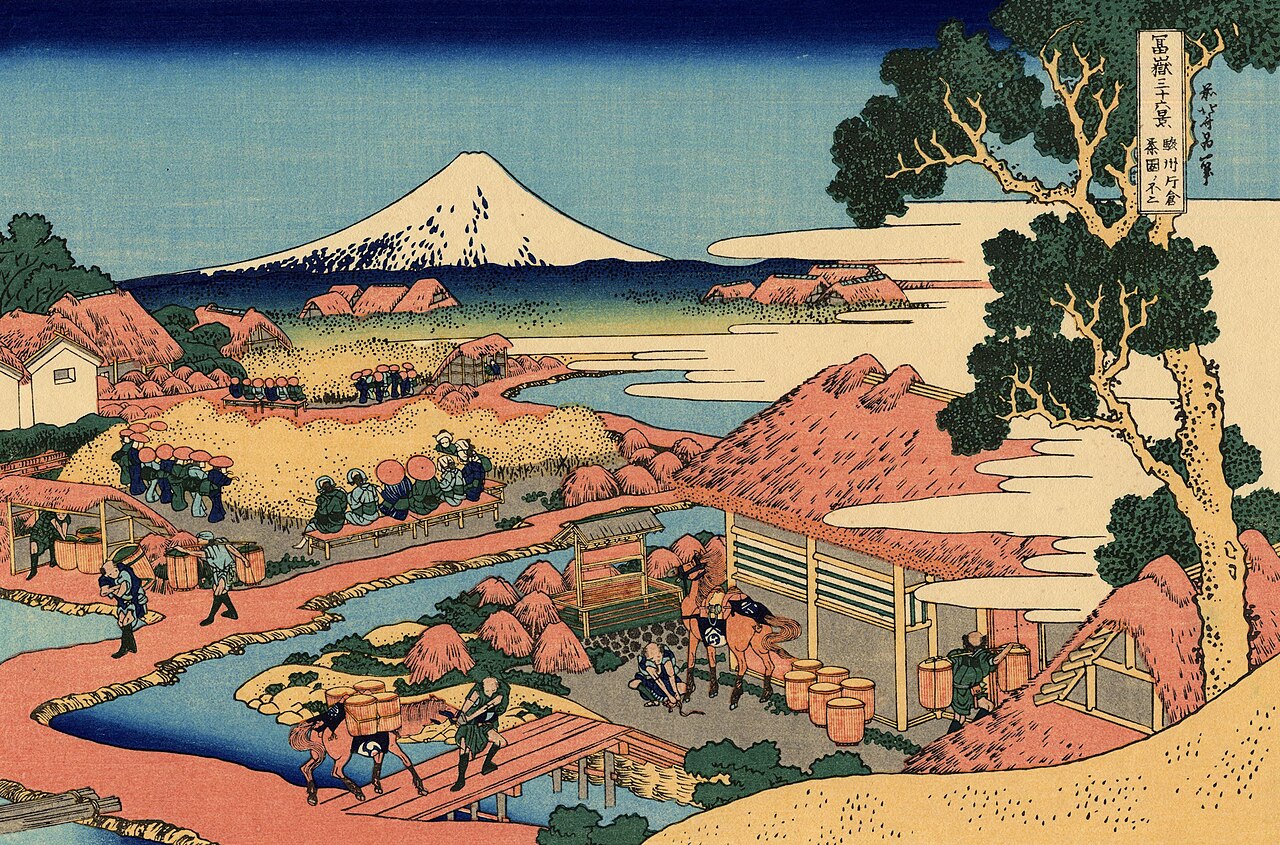
The history of Shizuoka tea dates back about 800 years to the Kamakura period.
It is said that the origins of Shizuoka tea lie in the planting of tea seeds brought back from China by the Zen monk Shoichi Kokushi in the Ashikubo district of present-day Aoi Ward, Shizuoka City.
During the Edo period, Shizuoka tea was of such high quality that it was presented to Tokugawa Ieyasu as "Goyoucha" (official tea) and stored at Sunpu Castle.
The opening of Shimizu Port in the Meiji period led to the beginning of international exports, making Shizuoka tea known worldwide.
There is also a history of variety improvement in Shizuoka tea. In the Meiji era, Hikosaburo Sugiyama selected the "Yabukita" variety, which has become the mainstream variety of Shizuoka tea today.
The tradition of Shizuoka tea is supported by the cultivation and manufacturing techniques unique to each region.
About
What is Shizuoka Tea?
Shizuoka tea is one of Japan's representative green teas with a long history. Once known as "Abe tea," it was famously favored by Tokugawa Ieyasu. It is said that because this precious tea was stored in tea jars and used for tea ceremonies, Shizuoka tea became widely known as one of the three great teas of Japan.
Accounting for about 40% of Japan's tea cultivation area, Shizuoka boasts the highest production volume in the country. Shizuoka tea is known for its beautiful color, rich aroma, and deep flavor.
Characteristics of Fukamushi-cha
The representative processing method of Shizuoka tea is "Fukamushi-cha" (deep-steamed tea). By steaming the tea leaves longer than usual sencha, the leaves become softer, resulting in a sweet and rich flavor!
*What is Fukamushi-cha
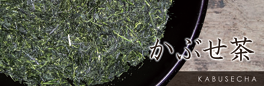
A special green tea created by steaming for a longer time than regular sencha, it is very popular. This deep-steaming method makes the cell walls of the tea leaves more fragile, resulting in a rich flavor and vivid green color.
Blessed Environment and Varieties
The "Yabukita" variety is widely cultivated in Shizuoka, known for its balanced taste and aroma. It is characterized by its sweetness and umami among green teas.
The rich natural environment spreading from the foot of Mt. Fuji, combined with a mild climate and moderate rainfall, provides ideal conditions for the growth of tea leaves. Shizuoka tea continues to fascinate Japanese tea lovers with its high fragrance, deep flavor, and relaxing effects.
Tea Life
A New Tea Life with Shizuoka Tea



Health Benefits
Green Tea & Health
"Habitual intake of green tea was associated with a reduced risk of all-cause mortality and heart disease in both men and women, as well as a reduced risk of death from cerebral thrombosis and respiratory diseases in men."
This research result was announced by the National Cancer Center, and its effects are gaining attention.
Figure 1: Association between green tea intake and all-cause mortality risk

*Relative mortality risk when the group drinking less than 1 cup per day is set as 1.00 (reference).
- Catechin
- Lowers blood cholesterol / Reduces body fat / Prevents cancer / Antioxidant effect / Prevents cavities & antibacterial / Anti-influenza / Suppresses blood pressure & sugar / Prevents bad breath
- Caffeine
- Alertness (removes fatigue & sleepiness) / Increases endurance / Prevents hangovers / Diuretic effect
- Theanine
- Neuroprotective effect / Relaxation (appearance of α-waves)
- Vitamins C & E
- Maintains skin & mucosal health / Antioxidant effect
- Folic Acid
- Prevents neural tube defects / Prevents arteriosclerosis
- β-Carotene
- Maintains night vision
- Fluorine & Minerals
- Prevents cavities / Bioregulatory effects (Zinc, Manganese, etc.) / Blood pressure lowering (GABA)
- Flavonol
- Antioxidant effect / Strengthens blood vessel walls / Prevents cancer